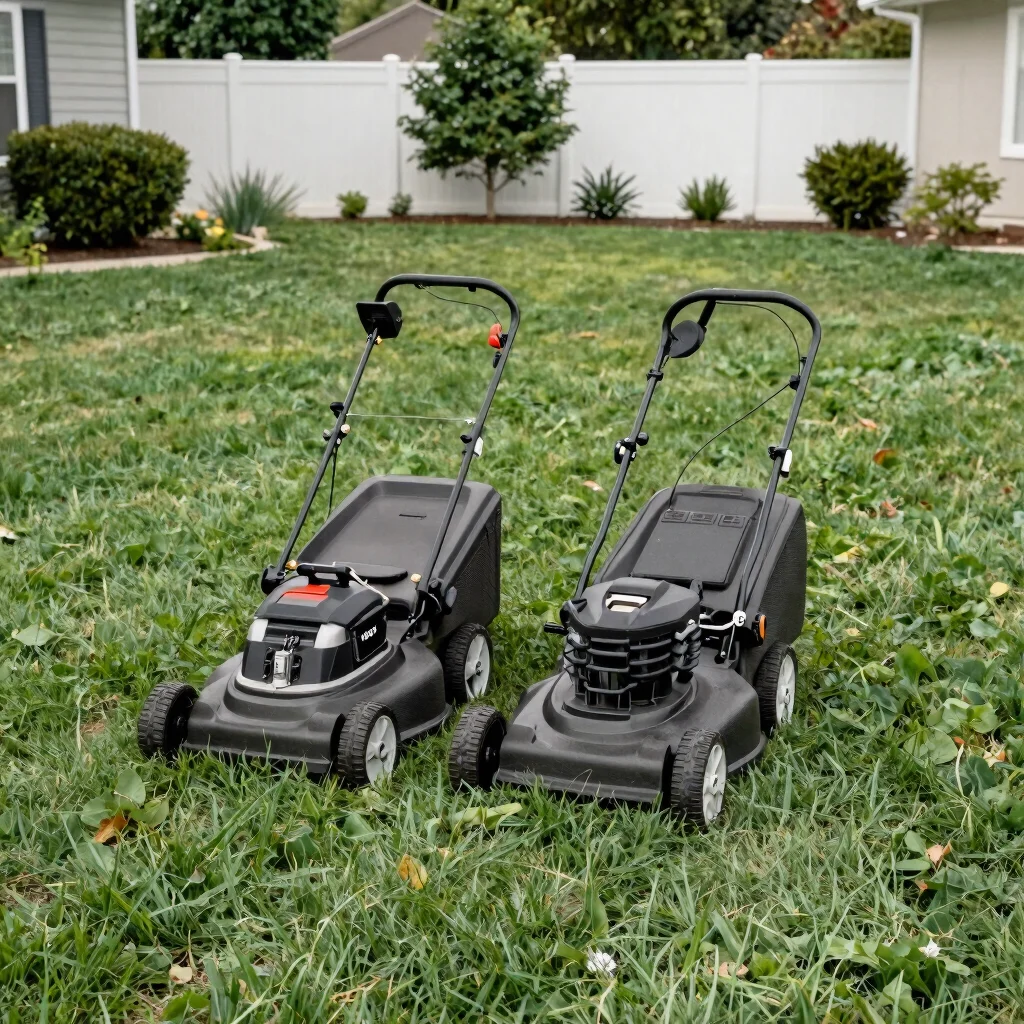
On a property with scattered trees, the appeal of a zero-turn is easy to see: its steering is designed for tight maneuvering around obstacles. But a lawn is more than a slalom course. Slopes, rough ground, a shed’s doorway, and whether you want to use attachments can all change which riding mower makes more sense.
Map the Difficult Areas
Before comparing models, walk the property and note steep sections, uneven patches, narrow passages, and places where you turn repeatedly. Check each mower’s manufacturer guidance for operating on slopes and for its intended conditions; do not assume one steering style is suitable for every hillside. Ground traction and stability deserve more attention than a brochure’s promise of quick mowing.
Maneuvering Versus Versatility
Zero-turn models are built to change direction tightly, which can reduce the back-and-forth around trees and landscape islands on a suitable lawn. Their controls may feel unfamiliar at first, so consider whether you have room to practice safely. Lawn tractors generally use a familiar steering-wheel layout, and some models support attachments for tasks beyond mowing; the available options depend on the specific machine.
Neither category should be chosen by name alone. Compare the actual cutting width, turning clearance, controls, deck and attachment compatibility, and storage dimensions of the models you are considering. If the property includes slopes or soft ground, verify that the manufacturer’s instructions and the mower’s intended use fit those conditions.
Make the Tradeoff Visible
A useful side-by-side comparison starts with your mowing route: count the obstacles, identify the steepest areas, and measure the shed entrance. Then decide whether tight turns or potential attachment use is the bigger priority. If possible, arrange a safe demonstration or consult the dealer about operating guidance before committing to a mower you have never driven.
MowerSavvy may receive a commission from affiliate links, but a recommendation should still make its tradeoffs clear. Choose around the hardest parts of your property, not only the broadest stretch of grass.